Roof Repair in the Area — Fix the Source, Not Just the Symptom
Most leaks don't originate where the stain appears inside your home. We trace water paths from outside in, identify the actual entry point, and fix it with compatible materials — documented with photos before and after.
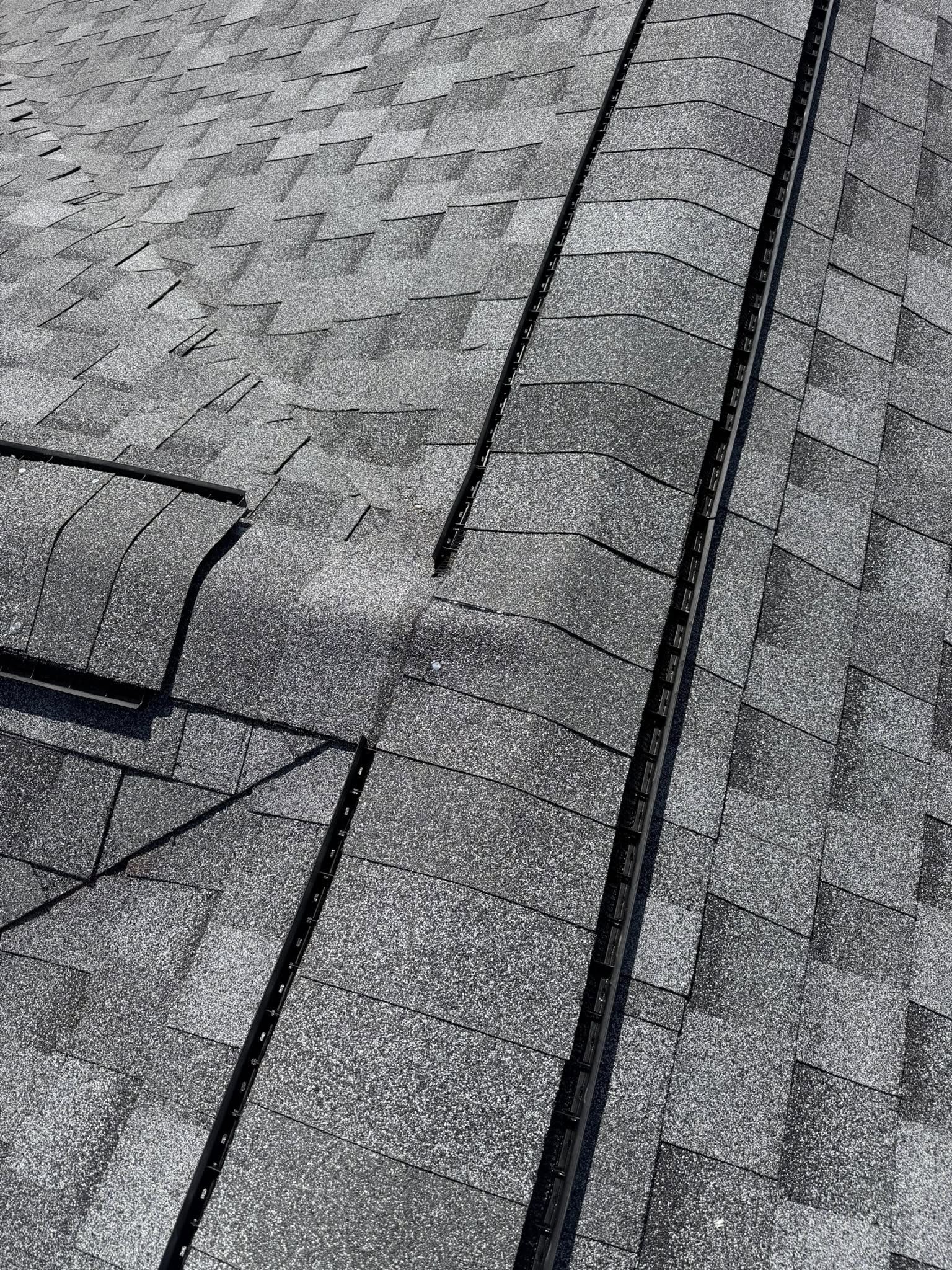
Finding Where Water Actually Enters — Not Just Where It Shows Up
Last Updated: April 2026
Most roof problems have a specific, identifiable cause — a failed flashing seal, a cracked vent boot, missing or slipping shingles after a wind event. The mistake most contractors make is treating symptoms without finding the source. Water travels before it appears as a ceiling stain, which means the entry point is often not directly above the stained area. We trace the water path systematically from outside in before touching anything, and seal the actual entry point with compatible materials, not just the nearest visible gap.
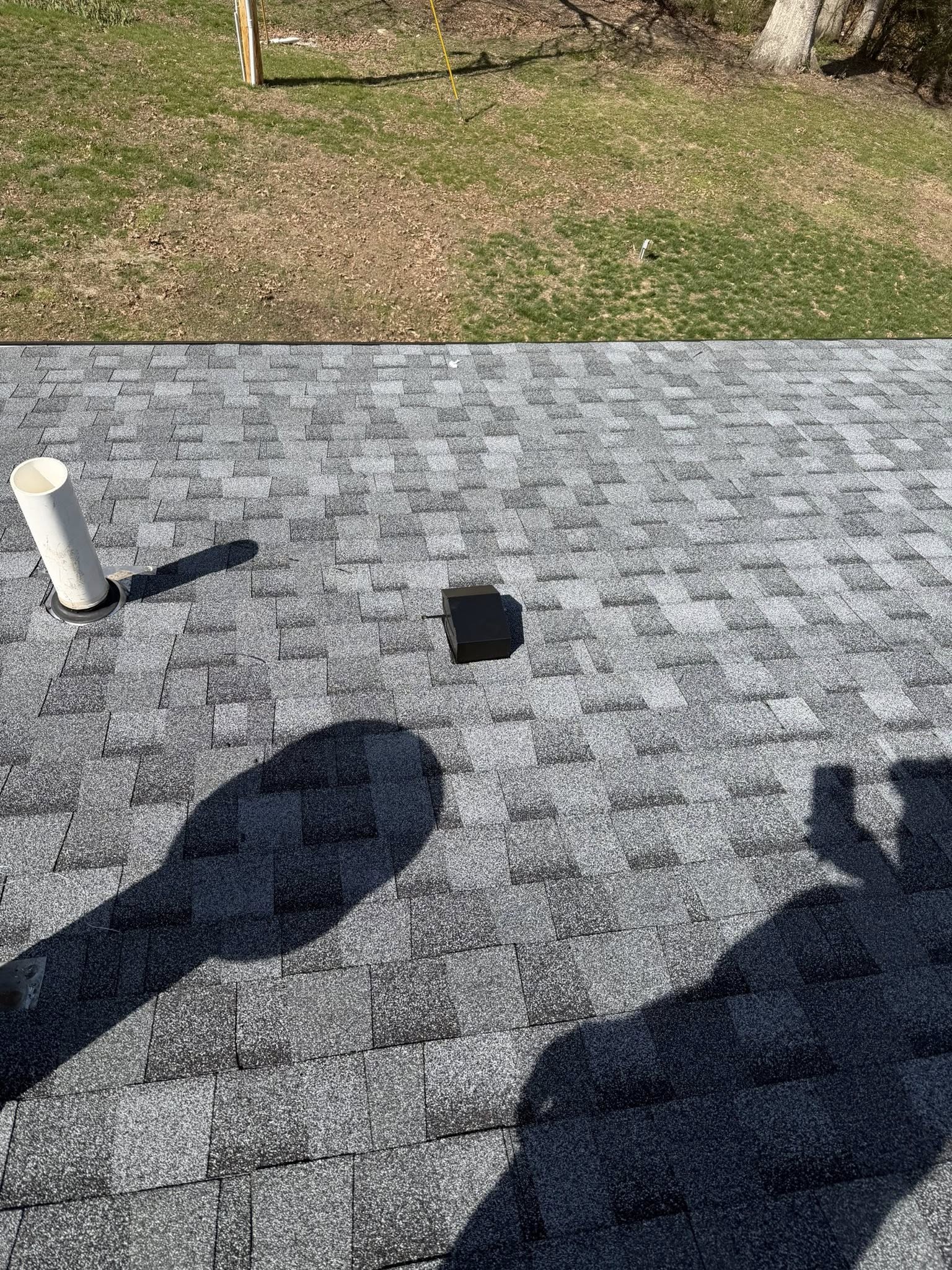
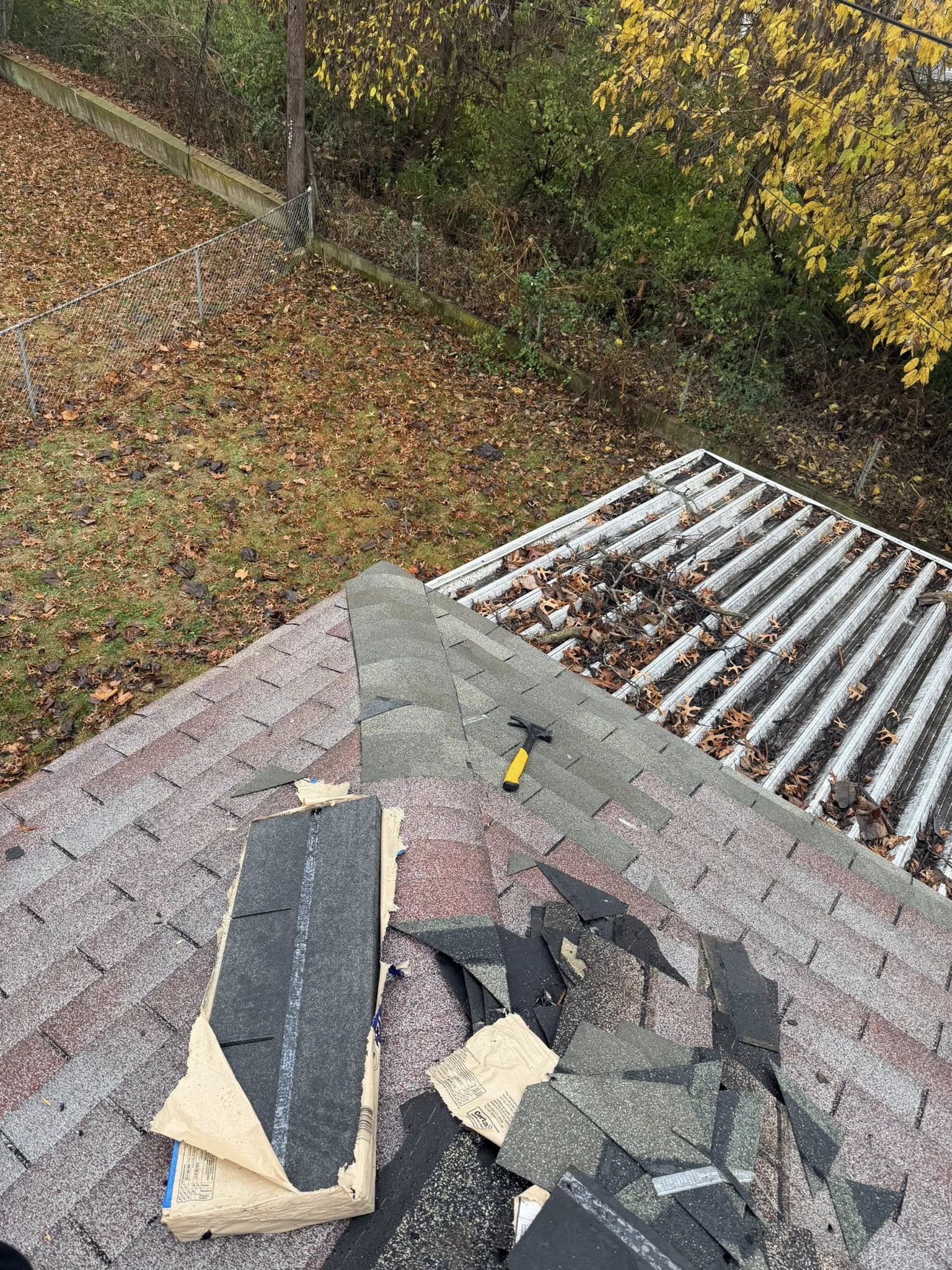
The repair types we handle most frequently: flashing replacement around chimneys, skylights, and pipe penetrations — the most common source of leaks on roofs under 20 years old; valley repair where two roof planes meet and water concentrates; ridge cap replacement after wind blow-off; shingle replacement after impact or displacement; gutter apron repair; and soffit and fascia damage caused by water infiltration from a failing roof edge. We document what was found and what was done with photos on every repair visit, so you have a complete record for insurance or future inspections.
We'll always tell you honestly whether repair or replacement makes better sense for your situation. If a repair would cost more than 30% of a replacement's total cost on a roof over 15 years old, we'll say that upfront — not after we're half done. If a targeted repair on an otherwise sound roof buys you 5–8 good years, we'll tell you that too. You get the information you need to make a decision that fits your timeline and budget, not a sales pitch.
What Makes A-1 Different for Roof Repairs in the Area
Most repair calls come down to trust: will they actually fix what's broken, show up when they say they will, and not push for more than the job needs?
We Find the Actual Leak Source
Not just the interior stain. Leaks travel. Patching the wrong spot wastes your money and your time, and the ceiling stain comes back three weeks later. We trace the water path from outside in before we touch anything.
Same-Day or Next-Day in Most Cases
We don't put repair jobs in a multi-week queue. Most repairs are scheduled within 24–48 hours — which matters when rain is in the forecast and you have an active leak. Emergency response available for urgent situations.
Written Documentation on Every Repair
Photos before and after, materials used, and a written description of what we found and what we did. Useful for insurance records and future inspections. You're not left relying on a verbal account of what happened to your roof.
Honest Repair-or-Replace Recommendation
We have no financial incentive to push you toward a full replacement if a repair is the right call. If a targeted fix is the smartest move, we'll tell you — even if it means a smaller job for us. If replacement makes more sense, we'll explain exactly why.
"The most expensive repair is the one that patches the wrong spot and leaves the leak to return — and return it does."
— A-1 Roof Works LLC | the Area
The most common roof repair failure we see when reviewing previous work: water entry point was never located. Contractor sealed the visible gap near the interior stain — which had nothing to do with how the water actually got in. We don't start work until we know exactly where water is entering, verified from the exterior.
How a Repair Job Actually Works
Three steps from your first call to a completed, documented repair. No moving parts, no ambiguity.
-
Diagnostic Inspection
We assess the roof systematically: suspected entry point, adjacent flashing, underlayment condition visible at eaves, and the full moisture path from outside to the interior symptom. We trace where water is actually entering before touching anything — and we explain our findings to you clearly before any work starts.
-
Written Scope & Estimate
You receive a written description of what we found, what we'll do to fix it, and a clear price. No verbal agreements that you have to try to remember. No scope that expands without notice. If we discover additional issues during the repair, we stop and discuss before proceeding.
-
Same-Day Repair & Documentation
Most repairs are completed in a single visit. We photograph the completed work alongside the before photos, and provide you with a written record of what was done, the materials used, and the date of service. Something worth having for your homeowner's records.
Roof Repair Questions, Answered Directly
How much does roof repair cost in the Area?
How do I know if I need a repair or a full replacement?
Can you repair a roof in winter or during rain?
More questions? Contact us directly or read about full replacements if your issue may be larger.
Stop Guessing Where the Leak Is — Get a Definitive Answer
We diagnose the source, give you a written estimate, and complete the repair in a single visit in most cases. No multi-week wait, no verbal-only quotes, no returning crew because the first fix didn't hold.
Licensed & insured · Free estimates · Same-day scheduling available · Written documentation included