Storm Damage Roof Repair in the Area
Same-Day Inspection Response After Storm Events
Hail and wind damage are often invisible from the ground. We document everything before you file — because the order of documentation determines the outcome of your insurance claim.
Document First, File Second — It Changes the Outcome
Last Updated: April 2026
Hail and wind damage are deceptive. From the ground, a roof can look largely intact while sustaining thousands of dollars in impact damage that is only visible once you're on top of it — bruised shingles, cracked granule coating, dented metal components, lifted flashing. After a significant storm passes through the area, the smartest sequence is to get a professional inspection and build a complete damage documentation package before contacting your insurance company, because the order in which documentation is created has real consequences for claim outcomes.
What we document before you file: shingle samples showing impact bruising visible under raking light; granule loss measurements by section, quantified rather than described generally; dent patterns on every metal component — ridge caps, vents, gutters, flashing, downspouts — each photographed with the circular impact marks that adjusters need to see; and GPS-tagged, timestamped photos of every affected area organized by roof section. This documentation package is what separates a claim that gets approved for a full replacement from one that gets approved for a patched repair at a fraction of the cost.
We work directly with adjusters throughout the claim process — attending the adjuster inspection when scheduling allows, identifying items missed in the initial estimate, and submitting supplemental documentation when the approved amount doesn't reflect the actual scope of damage. We don't charge separately for claim coordination. Our job is to make sure your policy pays for what it's supposed to cover so you're not absorbing costs for damage that happened in a storm.
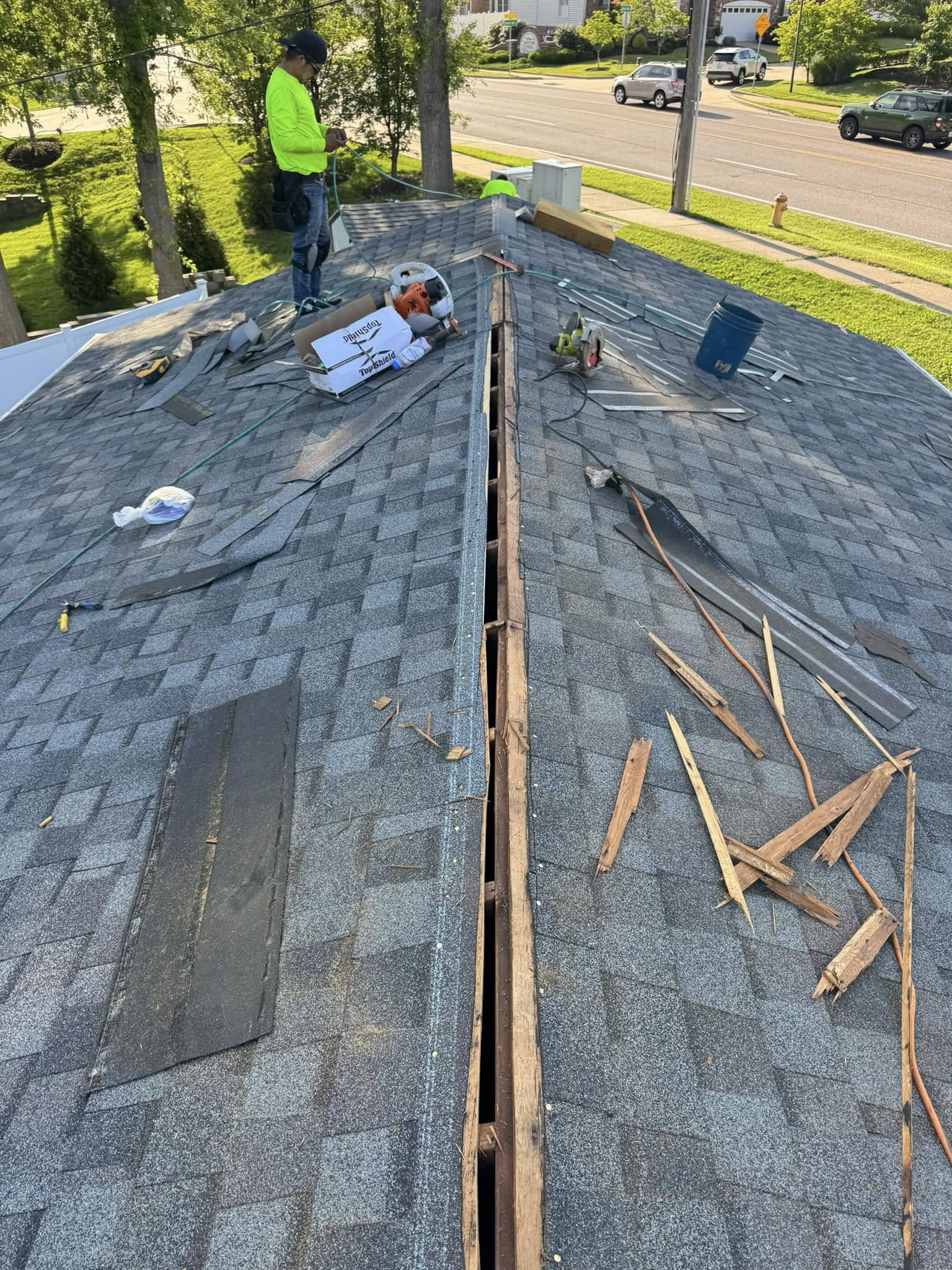
Why Storm-Affected Homeowners in the Area Call A-1 First
Same-Day Inspection Response
After major storm events, we prioritize affected homeowners and often have a crew in affected neighborhoods within 24 hours of the storm passing.
Pre-Insurance Documentation
We photograph and measure damage before you file so you have an independent record that can't be disputed. Adjuster estimates that miss items get challenged with evidence, not arguments.
Direct Adjuster Coordination
We attend adjuster inspections, supplement when items are missed, and advocate for the complete claim. We've worked enough claims to know what adjusters look for and what they sometimes overlook.
Emergency Tarping Available
If your roof is compromised and rain is in the forecast, we secure it immediately with heavy-duty tarps to prevent interior damage while the claim process and permanent repair are planned.
Four Steps From Post-Storm to Paid Claim
The difference between a full replacement being covered and a partial payout often comes down to who documented what, and when. Here's how we structure the process to maximize your outcome.
-
Emergency Assessment — On Your Roof, Not From the Ground
We inspect your full roof promptly after the storm — shingles, metal components, gutters, flashing, and every penetration point. We look for hail impact patterns under raking light, check granule loss section by section, photograph every dented metal surface, and note displaced or cracked shingles throughout. A ground-level "it looks fine" assessment misses the damage adjusters actually approve claims for.
-
Pre-Filing Documentation Package — Your Independent Record
Before you file, we provide a complete damage report: GPS-tagged photos of every affected area, granule loss measurements by section, shingle samples demonstrating impact bruising, and a written description of all damage found. This becomes your independent record. When the adjuster's estimate comes in, you have something to compare it to — and when items are missed, you have documentation to challenge them with facts rather than disagreement.
-
Adjuster Coordination — We're There When It Counts
We're available to meet your insurance adjuster on-site, walk through findings together, and present our documentation alongside their inspection. Initial estimates that miss entire sections or misclassify damage get supplemented with the documentation package we built before you filed. We've supplemented enough claims to know which items are frequently underestimated and how to present evidence that adjusters can act on.
-
Repair or Replacement — Completed Once the Claim Is Approved
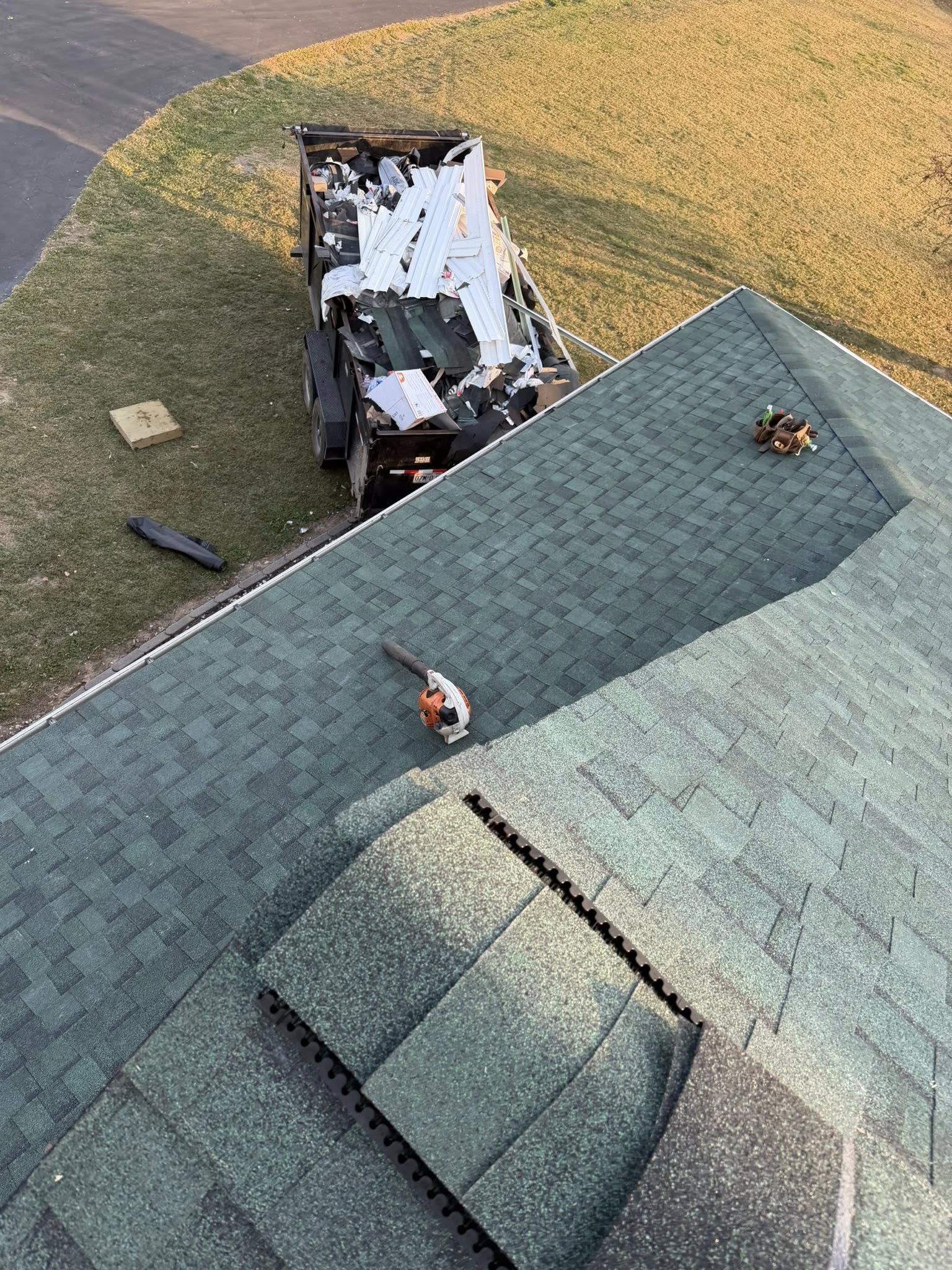
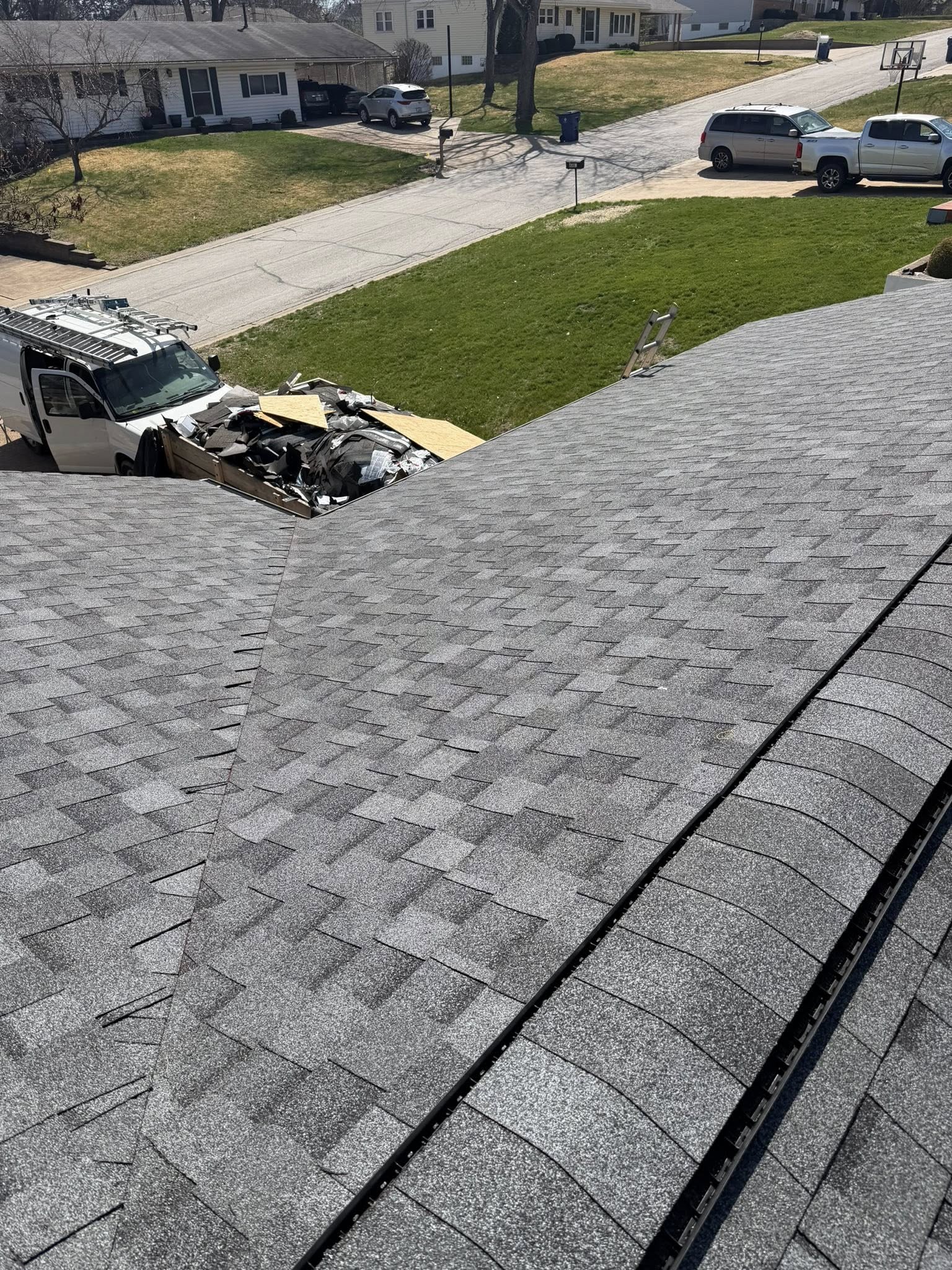
Once your claim is approved, we schedule and complete the work. Storm-related replacements typically take one to two days. If emergency tarping was needed between assessment and final repair, we handle that immediately — before the next rain — and coordinate its removal as part of the final installation. You're kept informed at every stage, and we handle all the scheduling complexity so the process doesn't add more stress to an already stressful event.
What Our Damage Report Contains
The documentation package we provide before you file is designed around what insurance adjusters and underwriters need to approve a complete claim.
Impact Bruising Evidence
Shingle samples showing granule fracture patterns under raking light — the bruising that proves hail impact at sufficient velocity to cause structural damage to the shingle mat.
Section-by-Section Measurements
Granule loss density measured by roof section, not estimated generally. Gives the adjuster quantified data to work with rather than a qualitative description.
GPS-Tagged Photo Record
Every photo geotagged and timestamped — establishing that damage was documented at the property on a specific date following the storm event. Creates an undisputable timeline.
Metal Component Dent Patterns
Photos of circular impact marks on gutters, vents, ridge caps, and flashing — the clearest objective evidence of hail size and impact density, documented before any repair or removal.
Wind Displacement Documentation
Lifted, displaced, or cracked shingles and flashing recorded by location — documenting wind damage separately from hail damage where policies have different deductibles for each.
Written Damage Narrative
A structured written description of all damage found, organized by roof section with material and scope details — the document format adjusters and supervisors need for claim approval.
Storm Damage & Insurance Claims — Questions Answered
How do I know if my roof has hail damage?
Should I call my insurance company or a roofer first?
Does homeowner's insurance cover storm damage?
What if my claim is denied?
Dealing with a denial or underpaid claim? Contact us directly — we've worked dozens of supplemental claims successfully.
Don't Let a Storm Become a More Expensive Problem
Every week an undocumented or unrepaired storm-damaged roof sits through additional weather, the claim picture gets more complicated and the interior damage risk grows. Same-day inspections available after major storm events in the Area.
Licensed & insured Pre-filing documentation included Direct adjuster coordination Emergency tarping available